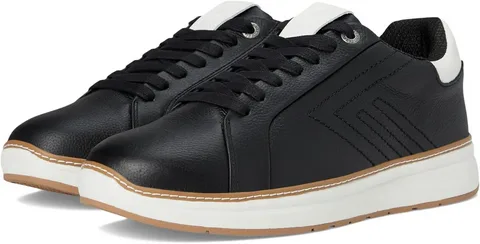
Footwear is something we use every day. We walk in it run in it stand in it travel in it work in it and play in it.
A shoe has to deal with a lot of pressure, dust, water, sweat, heat and bending times in just one day.
So footwear must be strong.
It should not just look good when you buy it.
It should also perform well after days of use.
This is where next-generation footwear manufacturing becomes important.
Today footwear making is changing fast.
Brands are not just focusing on how a shoe looks and what colour it’s
They are also focusing on comfort, strength, safety. How long it will last.
In all this stitching plays a big role.
Smarter stitching can make footwear more durable and reliable.
A good stitch can hold the shoe together.
A weak stitch can make the shoe fail early.
Many people think the sole is the important part of footwear.
Yes the sole is very important.
Stitching is also equally important.
The sewing machine thread joins shoe parts together.
It connects the material, lining, tongue, straps, heel area, toe area and other parts.
In some shoes stitching is visible from outside.
In some shoes it is hidden inside.
In both cases it gives strength.
If stitching opens the shoe loses shape.
If thread breaks the shoe may become uncomfortable.
If seams are weak the footwear may not pass quality checks.
This is why footwear manufacturers pay great attention to stitching quality.
What is smart stitching?
Smarter stitching means a way of stitching footwear.
It is not about using a machine and thread.
It is about choosing the thread the correct needle, the right stitch type, proper machine setting and good testing.
Every shoe is different.
A sports shoe needs stitching.
A leather shoe needs strong stitching.
A safety shoe needs heavy-duty stitching.
A sandal needs stitching that can handle pulling and use.
Smarter stitching means understanding the shoe properly before stitching it.
It means the stitch should match the material and the final use.
This simple step can improve durability in a way.
The right thread makes a difference.
Thread is a part of the shoe.
Its impact is very big.
If the thread is weak stitching will not last.
If the thread is too thick it may damage material.
If the thread is too thin it may break in areas.
So thread selection is very important.
For footwear thread should have strength.
It should handle rubbing.
It should not break during bending.
It should not lose colour easily.
It should also run smoothly on machines.
Polyester and bonded nylon thread is commonly used in footwear because they give strength and durability.
For footwear stronger thread is needed.
For footwear thread should be strong but not bulky.
The right thread helps make stitching clean and long-lasting.
Better durability starts from the seam.
A seam is the area where two parts are joined by stitching.
In footwear seams face a lot of pressure.
When a person walks the shoe bends again and again.
The seam also bends.
If the thread and stitch are not correct the seam may open.
This is common near the toe area, side panel, heel and straps.
Smarter stitching helps prevent this problem.
The stitch should be placed correctly.
The tension in the thread should be balanced and the stitch should neither be too loose nor too tight.
If it is too loose the seam can open.
If it is too tight the material can get damaged.
Good seam quality means shoe life.
Modern machines help in stitching.
Next-generation footwear manufacturing also uses machines.
Modern stitching machines can give uniform stitches.
They can stitch faster and more accurately.
A machine alone cannot give quality.
Machine, thread, needle and worker skill must work together.
If the machine setting is wrong good thread can fail.
If thread is poor even the best machine cannot give a result.
This is why manufacturers should do machine checking.
Thread tension, needle condition, stitch length and feed movement should be checked properly.
A small issue in machine setting can create stitching defects.
Footwear production can face stitching defects.
Thread breakage is one issue.
Skipped stitches are also seen times.
Loose stitches, stitch line, puckering, fraying and needle holes can also happen.
These defects reduce shoe quality.
They can also increase rejection.
Smarter stitching helps reduce these problems.
Using quality thread is the first step.
Choosing the needle is also important.
Machine speed should match thread performance.
The material should be handled properly during stitching.
Before production stitching trial should be done.
This helps find the problem
It saves time cost and material wastage.
Stitching for comfort is important.
Durability is important.
Comfort is also important.
A strong shoe is not useful if it hurts the foot.
Bad stitching can create a feel inside the shoe.
It can rub against the skin.
It can create pressure points.
Smarter stitching focuses on both strength and comfort.
The thread should be smooth.
The seam should not be bulky.
The inside stitch should not irritate the foot.
It’s paramount in all kind of shoes.
Comfortable stitching makes the shoe better for use.
Stitching for footwear types is important.
Every footwear type needs stitching care.
Sports shoes need robust stitching to cope up with the movement intensity.
Safety shoes need thread and durable seams so that they can protect.
Leather shoes need stitching because appearance matters a lot.
Sandals need stitching near straps because that area faces pulling.
School shoes need stitching because children use them roughly.
Women footwear may need stitching for a clean look and comfort.
So one stitching method cannot fit all footwear.
Next-generation manufacturing focuses on product-based stitching.
This means choosing thread and stitch as per footwear use.
Good footwear goes through quality checks.
Stitching is checked for strength, appearance and durability.
The shoe may be tested for bending, rubbing, pulling, colour fastness and water exposure.
If stitching fails the product may not pass.
This can affect brand trust.
For export footwear quality requirements can be more strict.
Brands need stitching in every batch.
Smarter stitching helps footwear pass these checks
It gives confidence to both the footwear manufacturers and buyers.
One simple way to support sustainability is to make the footwear last longer.
If shoes break quickly customers throw them away.
This creates waste.
Durable stitching helps increase product life.
When shoes last longer customers get value.
Brands also build trust.
Strong thread proper stitching and quality control can reduce returns and complaints.
This is good for business and also better for the environment.
The future of footwear stitching will be smarter and more controlled.
Manufacturers will use threads, better machines and better testing systems.
There will be focus on durability, comfort and safety.
Footwear brands will also look for threads that perform well in conditions.
Heat, sweat, water, rubbing and repeated bending will all matter.
Smart production will reduce defects.
Quality checks will become stronger.
Thread suppliers and footwear manufacturers will work closely.
This will help create shoes for customers.
Next-generation footwear manufacturing is not about new designs.
It is about making shoes stronger, smarter and longer lasting.
Footwear manufacturing is about making shoes that last longer.
Stitching is one of the important parts of this change.
Thread correct stitch, good machine setting and proper testing can improve footwear durability in a big way.
A shoe may look simple.
Every strong shoe has strong stitching behind it.
For footwear brands and manufacturers smarter stitching is not an improvement.
It is a way to build quality.
When stitching is strong footwear becomes more reliable.
When footwear lasts longer customers trust the brand more.
Next-generation footwear manufacturing is about making footwear that’s strong and good.
It is about using stitching to make shoes that people will love to wear.
Next-generation footwear manufacturing is the future of footwear.
It is about making shoes that’re better for people and better for the environment.
Footwear manufacturing is. It is changing for the better.
Smarter stitching is the key to this change.
It is the key, to making shoes that’re strong, comfortable and good for the environment.
Next-generation footwear manufacturing is the future. It is here to stay.